Introduction
When preparing structural steel for refurbishment or recoating, the biggest cost is often not the cleaning itself.
It’s everything around it.
Traditional methods like grit blasting typically require:
- Full containment systems
- Dust control measures
- Waste handling
- Extensive setup and breakdown
On commercial projects, particularly in cities like London, this creates a major issue:
Containment quickly becomes one of the most expensive parts of the job.
The Problem: Containment Drives Cost
Structural steel cleaning is common across:
- Commercial refurbishments
- Car parks
- Industrial units
- Infrastructure projects
But blasting introduces:
- Dust spread risk
- Environmental compliance requirements
- Contamination of surrounding areas
Which leads to:
- Full encapsulation (sheeting / tents)
- Extraction systems
- Increased labour
- Programme delays
In many cases, the cost of containment exceeds the cleaning itself.
Why Traditional Methods Fall Short
Grit blasting is effective at removing rust and coatings.
But it is:
- High-impact (mechanical abrasion)
- High-dust
- Waste-heavy
This creates knock-on effects:
- Surrounding areas must be protected
- Operations may need to stop
- Clean-up is required after completion
The result:
A process that works technically, but is expensive operationally.
The Laser Cleaning Alternative
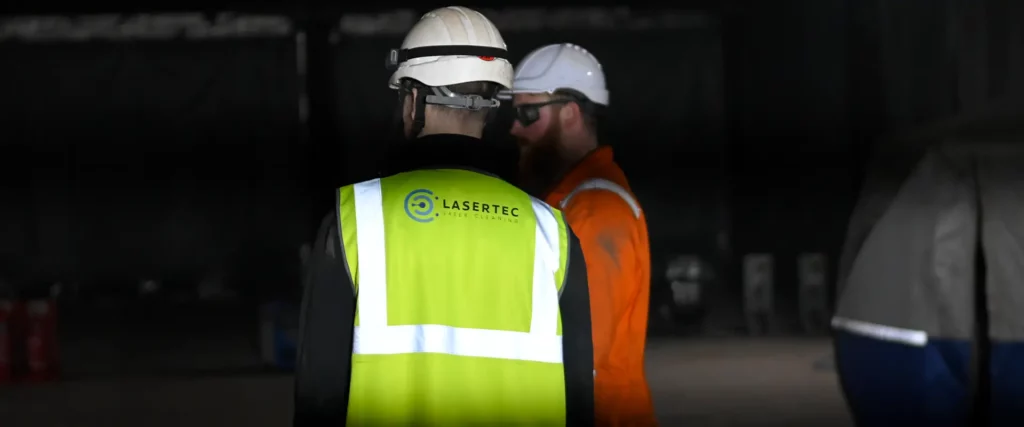
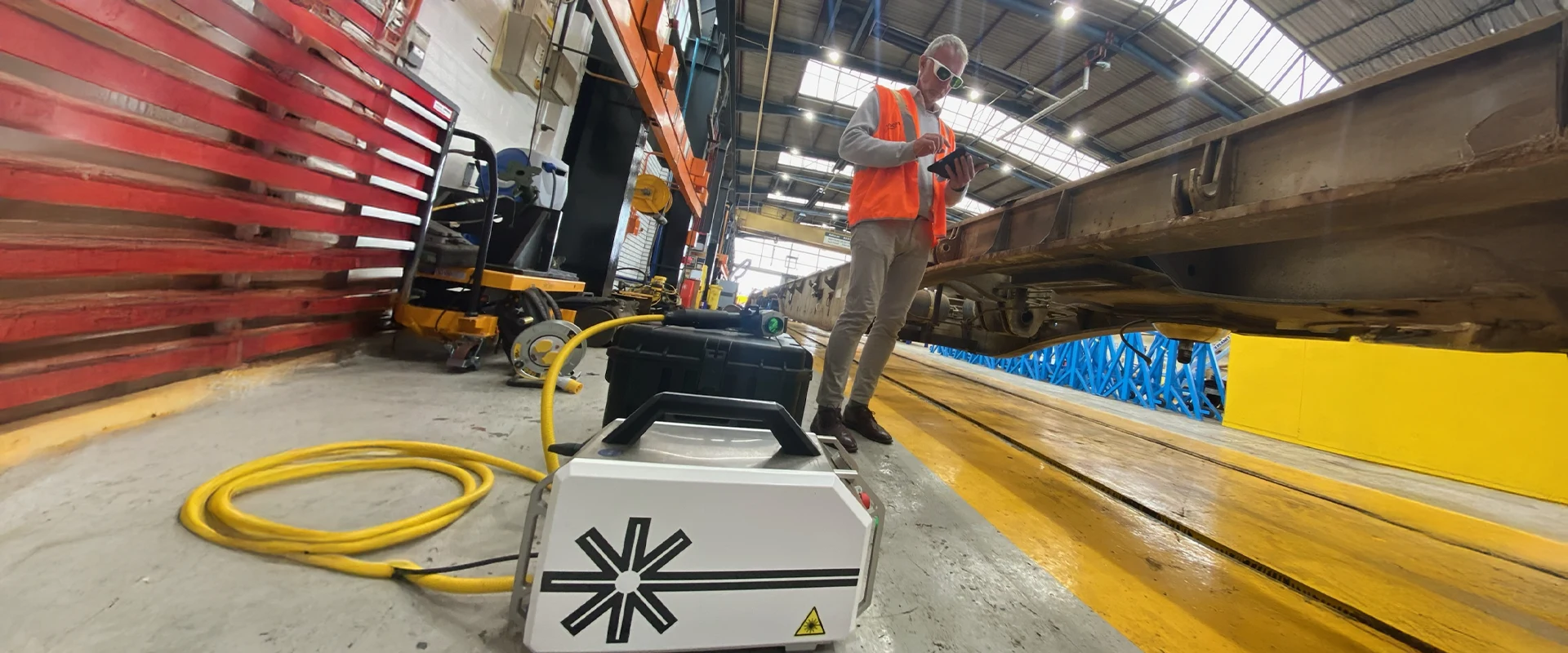
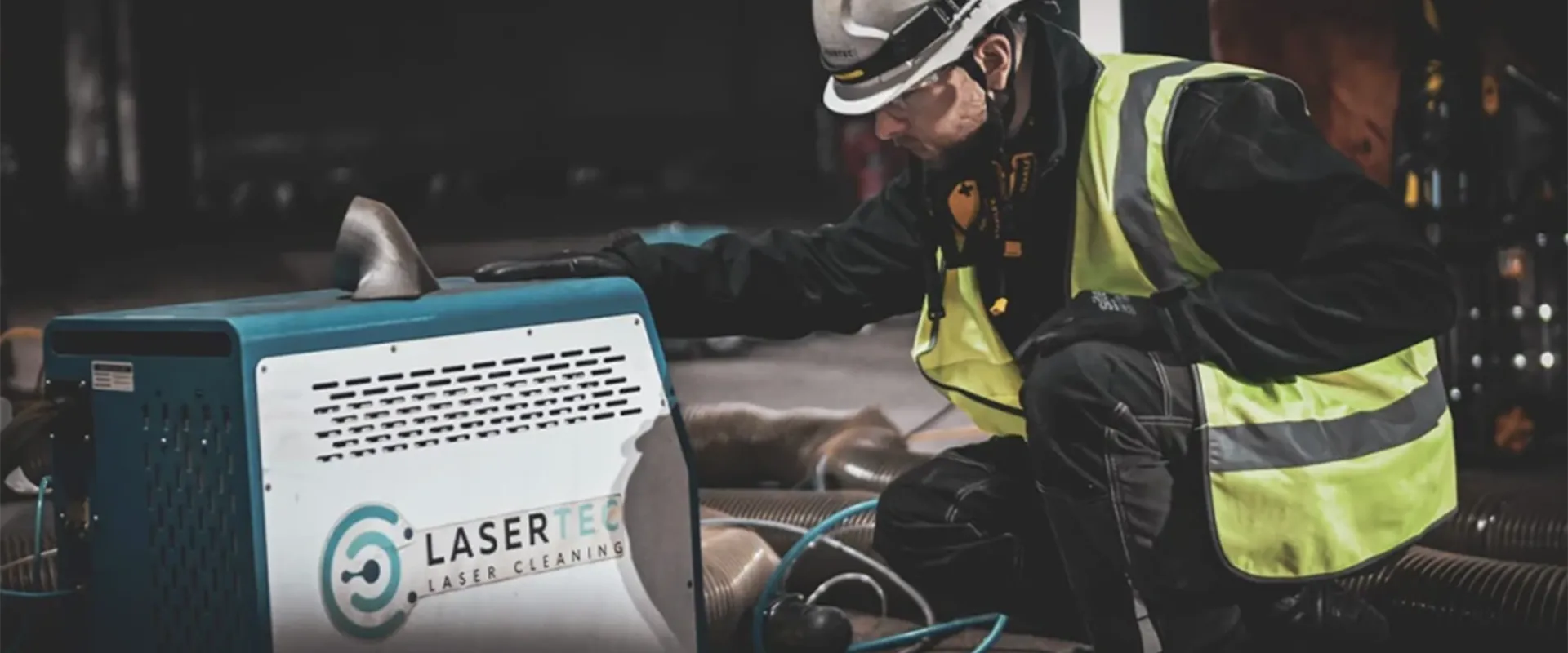
Laser cleaning removes rust and coatings using a pulsed fibre laser, without abrasive media.
This changes the equation.
Because laser cleaning is:
- Dry (no water or slurry)
- Non-abrasive
- Highly localised
- Minimal dust when paired with extraction
It significantly reduces the need for full containment.
Where the Cost Savings Come From
The biggest savings are not always in the cleaning rate.
They come from:
- Reduced or eliminated containment
- Less labour required for setup
- No abrasive media purchase or disposal
- Minimal clean-up
- Reduced disruption to surrounding work
On commercial sites, this can have a major impact on total project cost.
Real-World Application
Laser cleaning is particularly effective for:
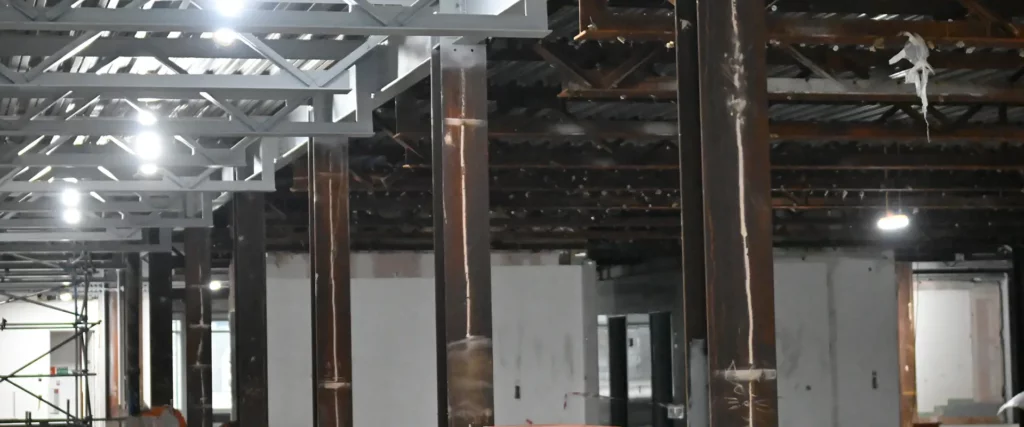
- Internal structural steel in live buildings
- Refurbishment projects with limited access
- Areas where other trades are working nearby
- Sites where dust contamination must be controlled
Instead of building full containment systems, cleaning can often be carried out in a more controlled and localised way.
Commercial Impact
For contractors and project managers, the key shift is this:
The decision is no longer just:
“What’s the cheapest way to clean steel?”
It becomes:
“What’s the lowest total cost and least disruptive way to complete the work?”
When containment, downtime and risk are factored in, laser cleaning becomes increasingly competitive.
Conclusion
Structural steel cleaning is not just a surface preparation task.
It is a logistical and commercial challenge.
Laser cleaning provides a method that reduces:
- Containment requirements
- Site disruption
- Waste and environmental impact
While maintaining precise and controlled cleaning results.
For many UK commercial projects, this makes it a strong alternative to traditional blasting methods.