Laser cleaning has moved from niche technology to a serious option across construction, restoration, manufacturing and heritage work. But it’s still new to a lot of people, so a fair few misconceptions have stuck around.
Here are the most common myths we hear, and the reality behind each one.
Myth: It damages the surface underneath
This is the big one, and it’s easy to see why people assume it. If a laser can strip rust and paint, surely it damages the metal too?
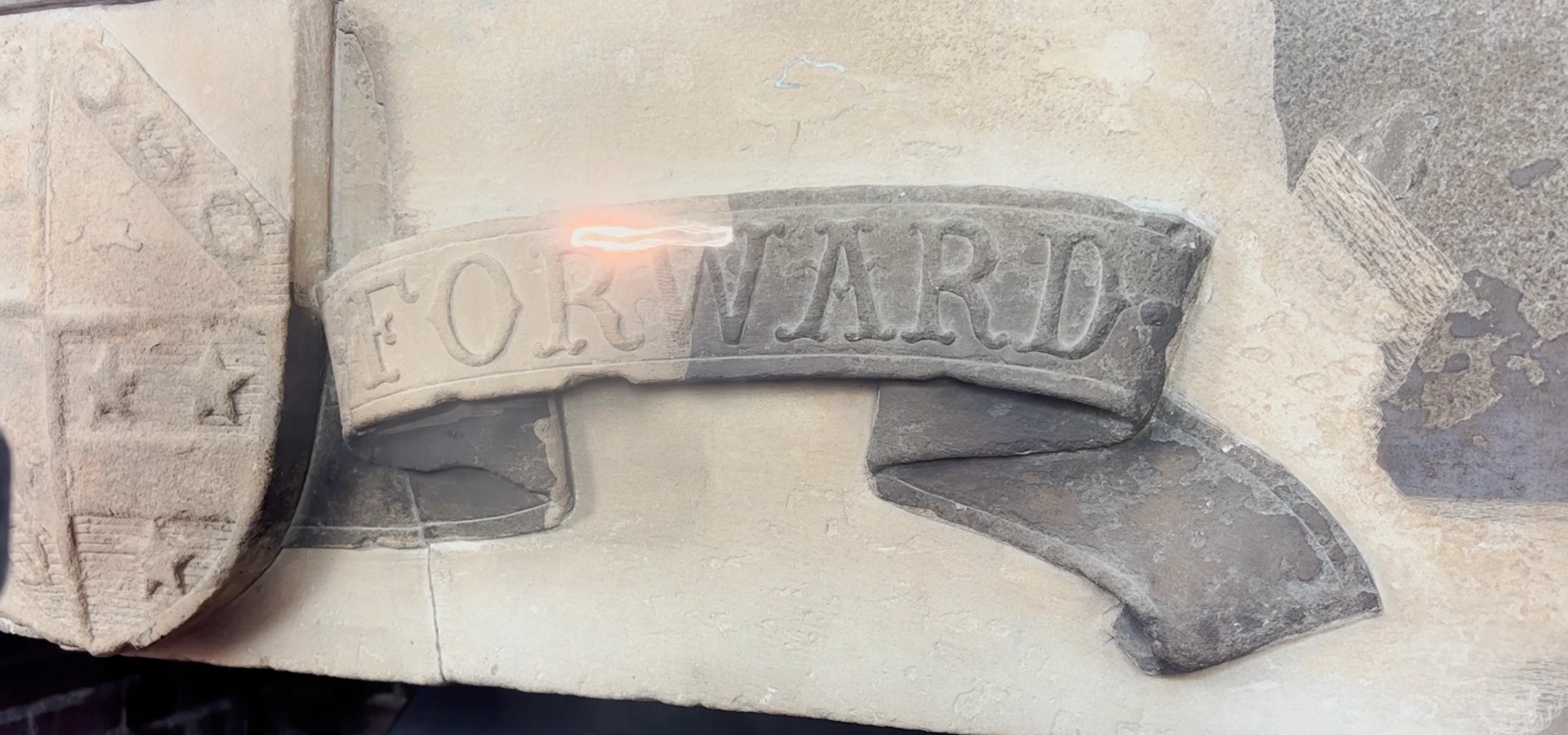
Done correctly, it doesn’t. Rust, paint and coatings absorb laser energy at a much lower threshold than clean metal. The laser lifts the contamination away and leaves the sound surface beneath it untouched. That’s why it’s trusted on everything from structural steel to delicate historic surfaces.
The caveat is “done correctly.” In the wrong hands with the wrong settings, any powerful tool can cause problems. The technology is safe. What makes the difference is the expertise of the operator.
Myth: It’s too slow for big jobs
People often picture laser cleaning as slow and painstaking, suited only to small fiddly items. The assumption is that it can’t keep up on a large scale.
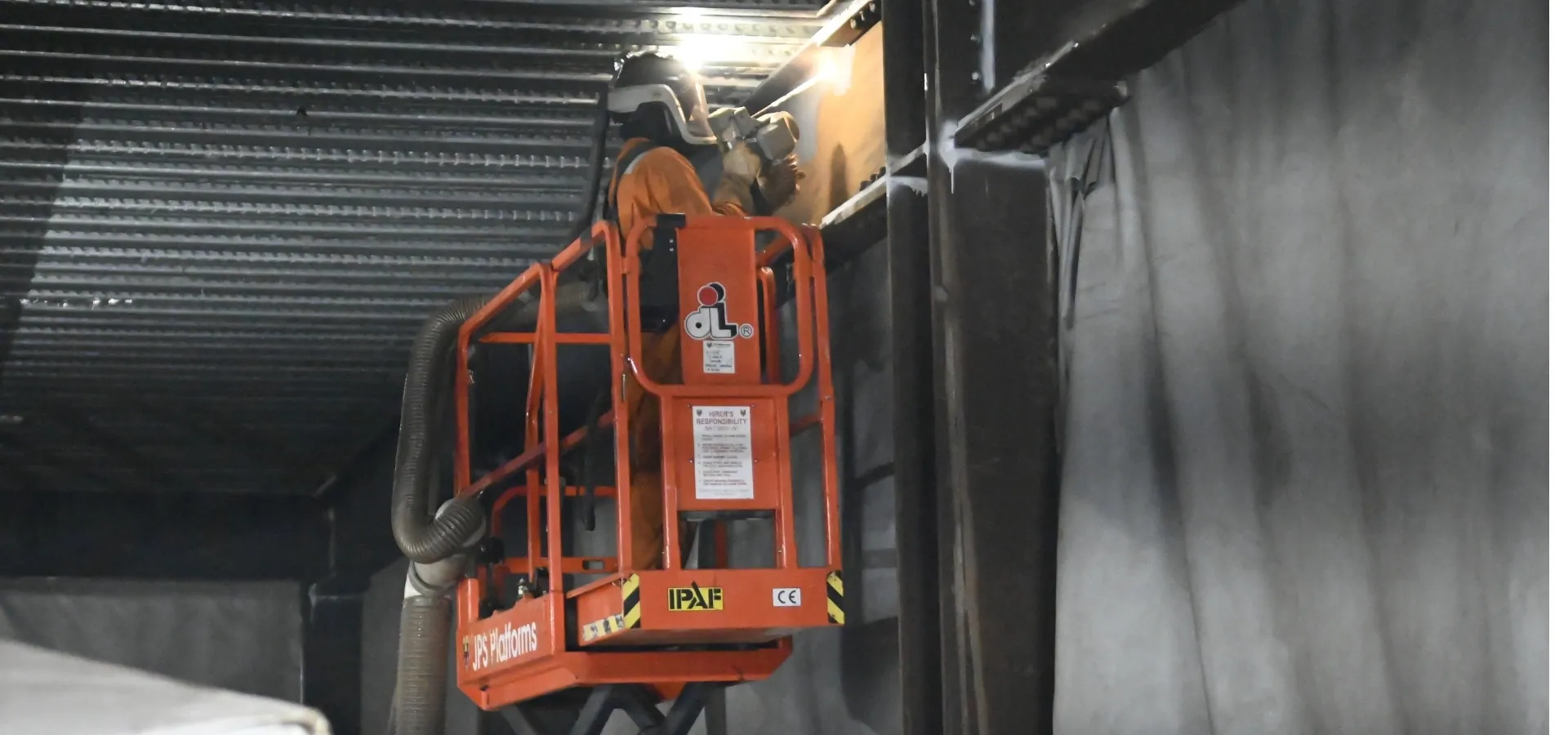
The reality is the opposite. On big projects several lasers can run at once, and the method is often faster than traditional approaches once you look at the whole picture. Abrasive methods need containment, dust control, waste removal and clean-down, and all of that eats into the programme. Laser cleaning avoids most of it. That’s why it’s increasingly specified on major projects where speed matters.
Myth: It’s only for delicate or specialist work
Laser cleaning is famous for restoring artwork and historic artefacts, so people assume that’s all it’s good for and that it can’t handle heavy industrial work.
It handles both. The same core technology that gently cleans stone and heritage metalwork also strips heavy structural steel, industrial machinery, welds and large-scale refurbishment. The settings are tuned to the job. That range is one of the things that sets it apart from other cleaning methods.
Myth: It’s too expensive
On headline rate alone, laser cleaning can look more expensive than traditional methods. But that comparison misses most of the picture.
Traditional methods carry costs that don’t always show up on the cleaning line. There’s the abrasive media and its disposal, the containment, the waste removal, the plant and fuel, and the delays caused by dust, noise and clean-up. Compare the total cost of getting from a dirty surface to a finished, ready-to-coat one and laser cleaning is often competitive, sometimes cheaper. That’s especially true on complex or access-restricted sites.
On restoration work the savings can be greater still, because avoiding a strip-out and getting a space back into use quickly saves far more than the cleaning ever costs.
Myth: It’s dangerous
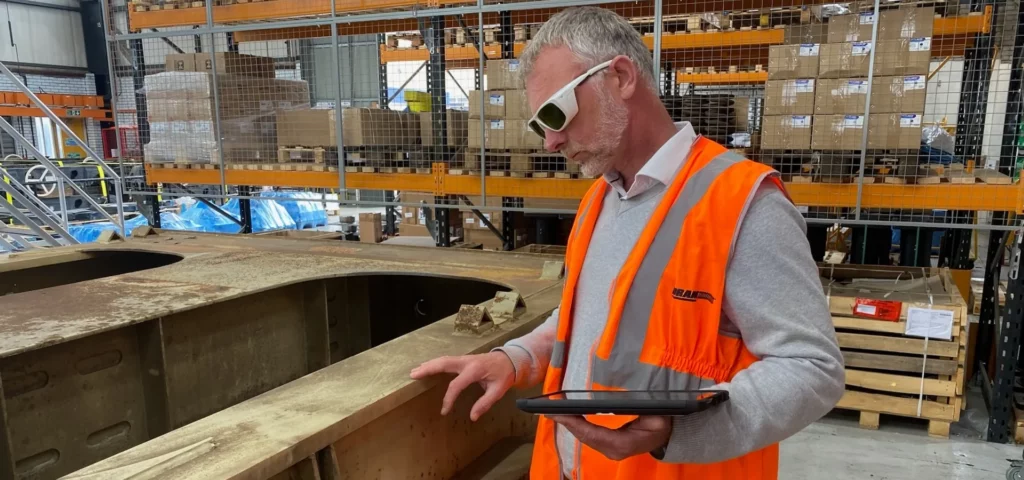
The word “laser” makes people cautious, and understandably so. Industrial laser cleaning does use a Class 4 laser, which is powerful and demands respect.
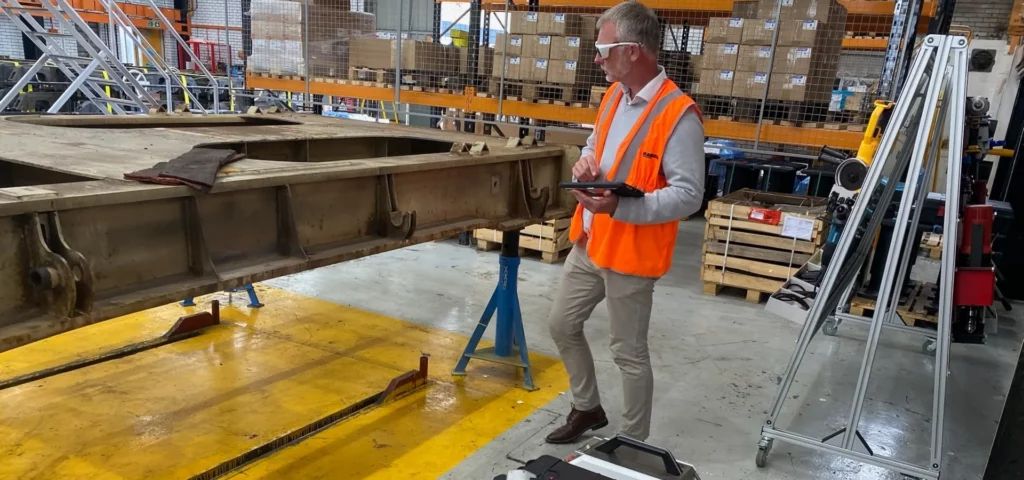
Used properly though, it’s a highly controlled process. Reputable operators work with trained technicians and a designated Laser Safety Officer, set up controlled exclusion zones, and use proper extraction and full protective equipment. The risks are well understood and well managed. As with any industrial process, safety comes down to whether the people running it know what they’re doing.
Myth: It can only remove rust
Rust removal is the best-known use, so people assume that’s where it ends.
In practice it removes a wide range of contamination:
- Rust and oxidation
- Paint, primer and coatings
- Oil, grease and production residues
- Smoke and fire damage
- Weld discolouration and oxide layers
- Dirt, pollution and biological growth on historic surfaces
Different materials and contaminants call for different setups, which is why every job is assessed rather than treated the same way.
The bottom line
Most myths about laser cleaning come from it being unfamiliar, not from anything inherent in the technology. Done properly it’s safe, versatile, fast at scale and often more cost effective than it first appears, across a far wider range of jobs than most people realise.
The common thread is expertise. The technology is capable. What matters is having the right people running it.
If you’re wondering whether laser cleaning is right for a particular job, book a demo with our team and we’ll talk it through with you.