Laser cleaning is one of the most versatile surface treatment methods available, but if you’re new to it, the obvious question is a simple one: what can it actually remove?
The short answer is that laser cleaning removes a wide range of surface contamination from metal, stone and other materials, without chemicals, water or abrasive media. This guide runs through the main things it’s used to remove and why it handles each of them so well.
Rust and oxidation
Rust removal is the cornerstone of laser cleaning. The process lifts oxidation from iron and steel without touching the sound metal underneath, which makes it ideal for anything being restored, retained or prepared for coating.
Because it removes only the rust layer and leaves the base material intact, it’s widely used on structural steel, machinery, tools and components where preserving the underlying metal matters.
Paint and coatings
Laser cleaning strips paint, primer and a broad range of surface coatings cleanly and selectively. It’s often used where old coatings need to come off before recoating, inspection or repair.
The appeal here is control. Layers can be removed without damaging what sits beneath, which is valuable on anything from industrial components to historic architecture where the surface has to be protected.
Oil, grease and production residues
Oils, greases and manufacturing residues build up on machinery, tooling and production equipment over time. Laser cleaning removes these contaminants without solvents or degreasing chemicals, leaving a clean, dry surface ready for use.
This makes it a strong fit for manufacturing and engineering environments where cleanliness matters and chemical cleaning is a hassle to manage and dispose of.
Smoke and fire damage
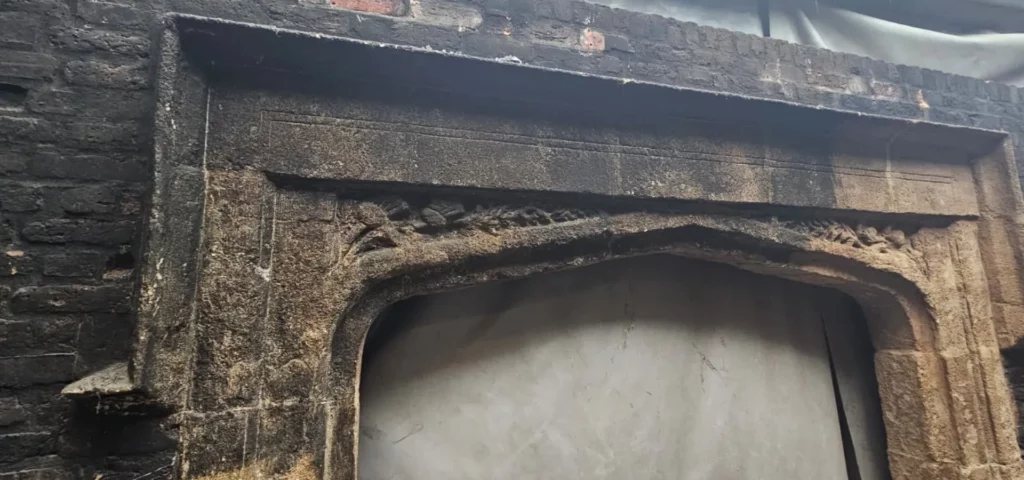
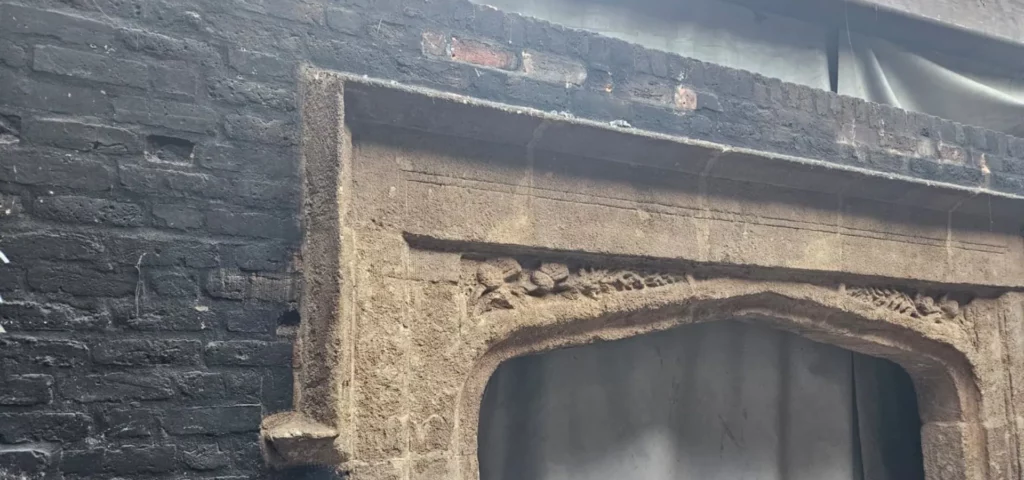
After a fire, smoke and soot contamination can spread through a building far beyond the area that actually burned. Laser cleaning removes this contamination from surfaces without the mess, water or drying time of other restoration methods.
Because it’s fast and low-disruption, it’s increasingly used in fire and smoke damage restoration to get buildings ready for redecoration and back into use sooner.
Oxide layers and weld discolouration
Welding leaves behind oxide layers and discolouration around the weld area. Laser cleaning removes these cleanly, restoring the surface and preparing it for finishing, inspection or further work.
It’s a precise way to clean up welds without the abrasion or chemicals that traditional methods rely on.
Contaminants on historic and delicate surfaces
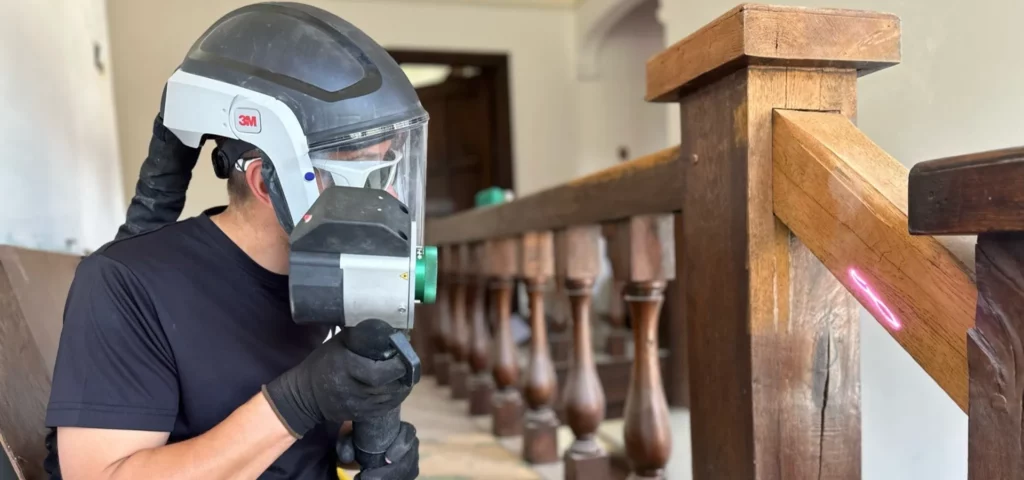
One of the reasons laser cleaning is so trusted is that the same technology used on heavy structural steel can also be tuned for delicate work. It’s used in heritage and conservation to remove dirt, biological growth, pollution deposits and old coatings from stone, brick, metal and other historic materials, without damaging the surface beneath.
This range, from industrial steel to priceless artefacts, is what sets it apart from most other cleaning methods.
What surfaces does it work on?
Laser cleaning works across a broad range of materials, including:
- Mild steel and structural steel
- Stainless steel
- Cast iron
- Aluminium and other metals
- Stone, brick and masonry
- Concrete
Different materials and contaminants call for different setups, which is why the method is assessed for each job rather than applied the same way to everything.
How to know if laser cleaning is right for your job
As a rule of thumb, laser cleaning is worth considering when:
- You need to remove contamination without damaging the surface underneath
- The material is being retained, restored or prepared for coating
- Chemicals, water or abrasive waste would be a problem on site
- Dust, noise or disruption need to be kept to a minimum
- You want a cleaner, more sustainable alternative to traditional methods
If you’re not sure whether it suits your particular material or contamination, the quickest way to find out is to ask. A good supplier will tell you honestly whether it’s the right fit before any work begins.
The bottom line
Laser cleaning removes rust, paint, coatings, oil, grease, smoke damage, weld discolouration and a wide range of other contamination, across everything from structural steel to delicate historic surfaces. Its versatility, precision and clean, chemical-free process are exactly why it’s being adopted across so many industries.
If you’d like to know whether laser cleaning is right for your material or project, book a demo with our team and we’ll talk it through with you.