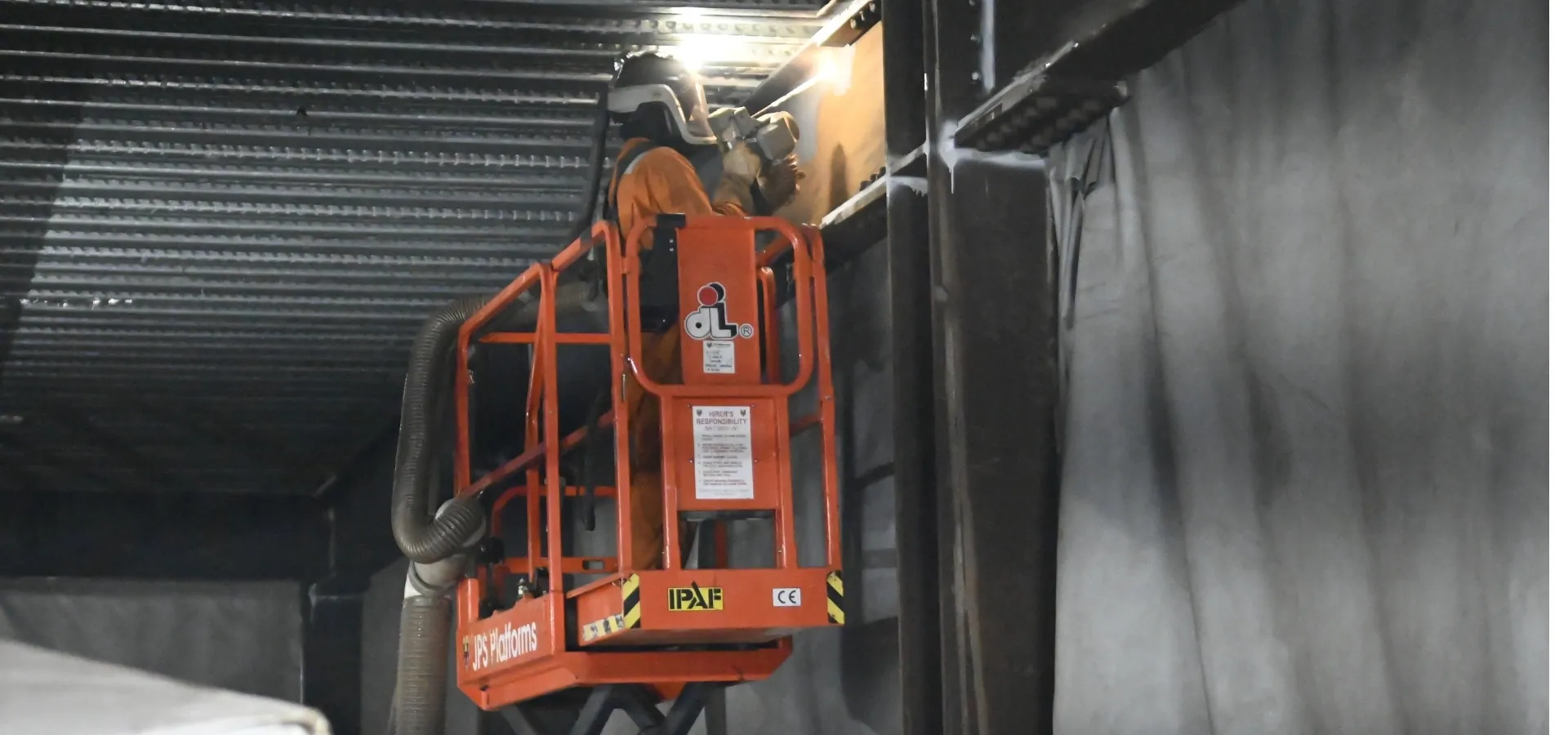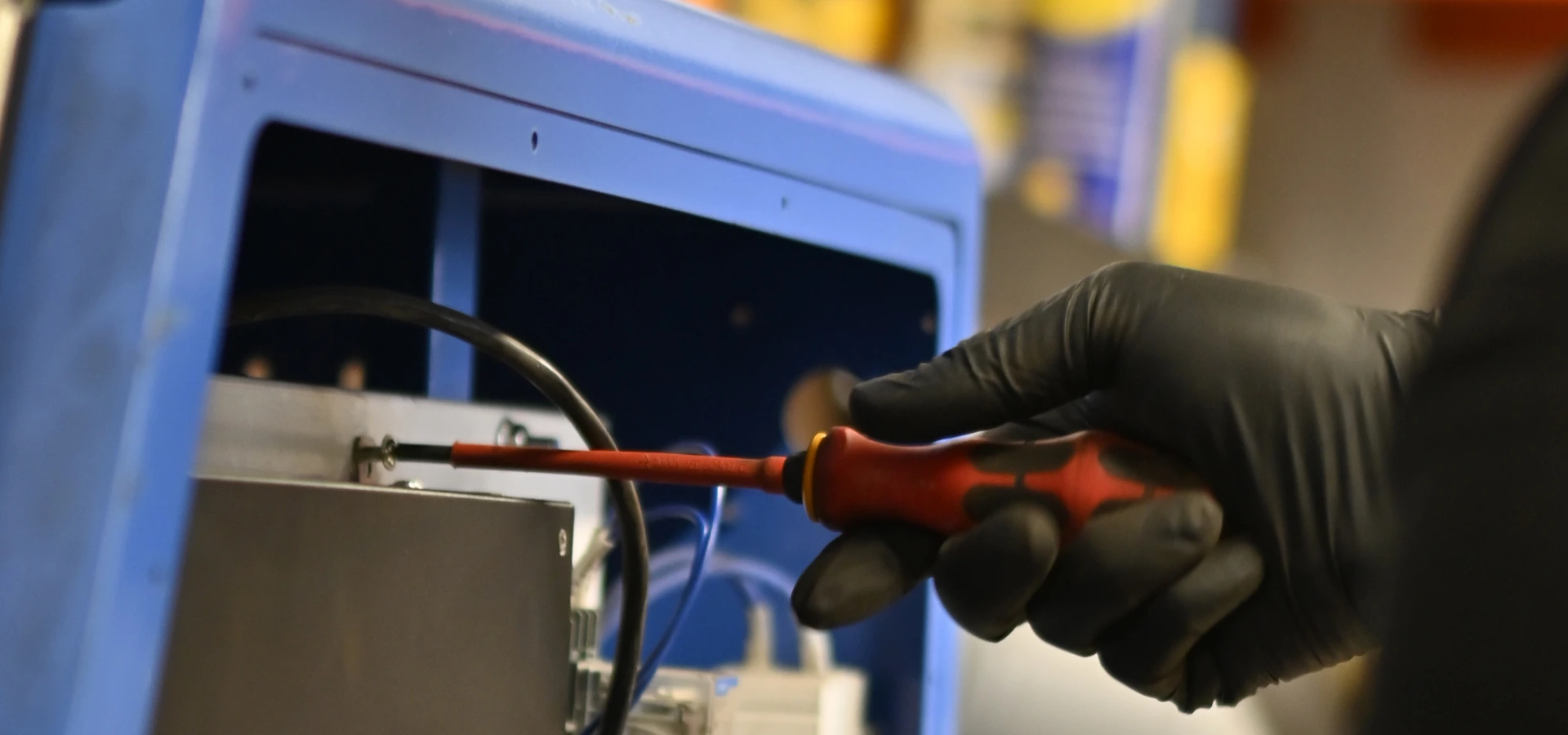
It is the first question almost everyone asks, and it is the right one to ask. Laser cleaning removes rust, paint, coatings and contamination without scraping, sanding or blasting. But the honest answer is not the same for every surface, and it depends on more than the surface alone. This guide runs through the substrates our customers ask about most and gives a straight view of each.
The short answer
Used correctly, laser cleaning is one of the gentlest surface preparation methods available. It is non-contact, so nothing physically abrades the surface, and on most materials it clears the contamination and leaves the substrate sound.
The important words are “used correctly”. This is a powerful process, and the same surface can come out very differently depending on the laser and how it is set up.
The laser matters as much as the material
If you take one thing from this guide, take this. The material is only half the question. The bigger variable is the laser itself and the settings it runs at.
Two machines pointed at the same piece of oak, or the same limestone mullion, can give you two very different results. One clears the coating and leaves the surface sound. The other scorches, lightens or marks it. Nothing about the material changed. The equipment and the judgement behind it did.
That is why laser cleaning is not really a product you buy, it is a capability you either have or you do not. It is also why we test before we commit on anything delicate or historic, rather than assuming that what worked on the last job will work on yours.
Why a laser can lift a coating and leave the surface sound
Two ideas explain most of it.
→ Selective absorption. Materials absorb light very differently. Rust, paint and soot absorb the energy strongly and heat up fast, while a clean surface underneath absorbs far less of it. The contamination takes the effect and the substrate largely does not.
→ Ablation threshold. Every material has a point below which the laser does nothing to it and above which it starts to be affected. The skill is in working in the window that clears the contamination while staying below the threshold of the surface beneath. When that window is wide, the job is straightforward. When it is narrow, such as a delicate finish over a soft substrate, it needs far more care and always a test first.
Is there any change to the surface at all?
Worth being precise here, because “no damage” and “no change whatsoever” are not the same claim.
On metal, laser cleaning does affect the outermost layer of the surface. The depth involved is very shallow, and on normal industrial work it sits well below the surface profile a coating system needs to key into, so it does not compromise the surface for coating. Structurally, the component is unaffected.
So the accurate way to put it is this. Laser cleaning does not damage the substrate, and it does not remove sound material the way abrasive methods do. But at a microscopic level the surface is not identical to how it started, and anyone telling you otherwise is overselling it.
Metal
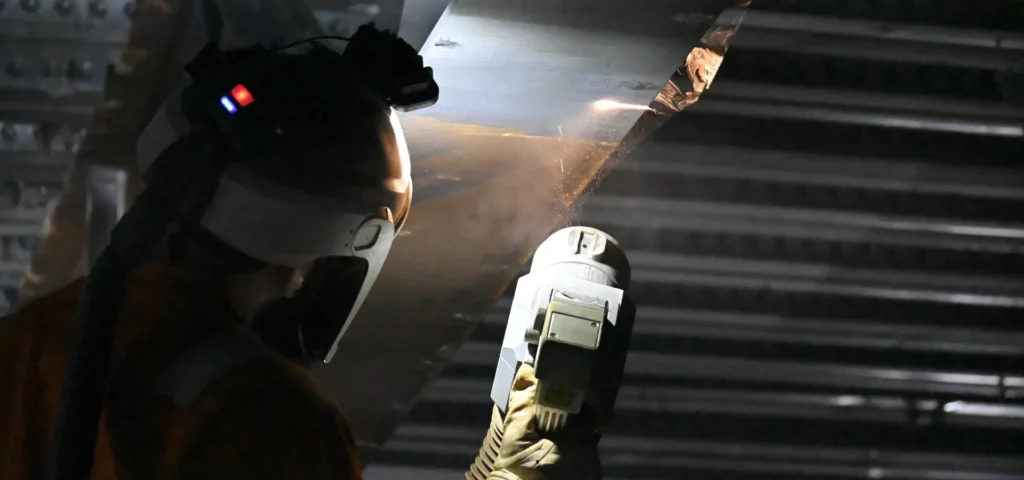
Metal is where laser cleaning is most established, and we have covered it in full detail already. On steel, stainless and most common metals the process clears rust, mill scale and coatings while leaving the metal sound.
Metal can be forgiving, but it is not universally so. Thin sections and thin sheet can distort or warp if the work is not controlled properly, and highly reflective non-ferrous metals behave differently again. Both are manageable. Neither should be waved away.
→ Read the full detail in Does Laser Cleaning Damage Metal?
Timber and joinery
This is the biggest area of questions we receive. Laser cleaning can remove paint, varnish and surface soiling from timber, and on the right job the results are excellent. But wood is organic and variable, and it behaves very differently from metal.
→ Softwood is more prone to scorching and grain raise than hardwood, so it needs more care.
→ Hardwood and oak beams generally take the process well, and laser is often chosen for blackened historic beams where other methods would be too aggressive.
→ The finish matters as much as the wood. Clear varnish and wax behave differently from thick, aged paint.
The caveat we would rather say up front than gloss over: on aged paint over timber, results vary and we cannot guarantee against some change to the wood. Old paint can be bonded into the grain, and removing it can raise the grain or lighten the timber. On a job like this we test an area first and show you the actual result before going further. If it will not come up cleanly, you will know before you commit.
Stone and masonry
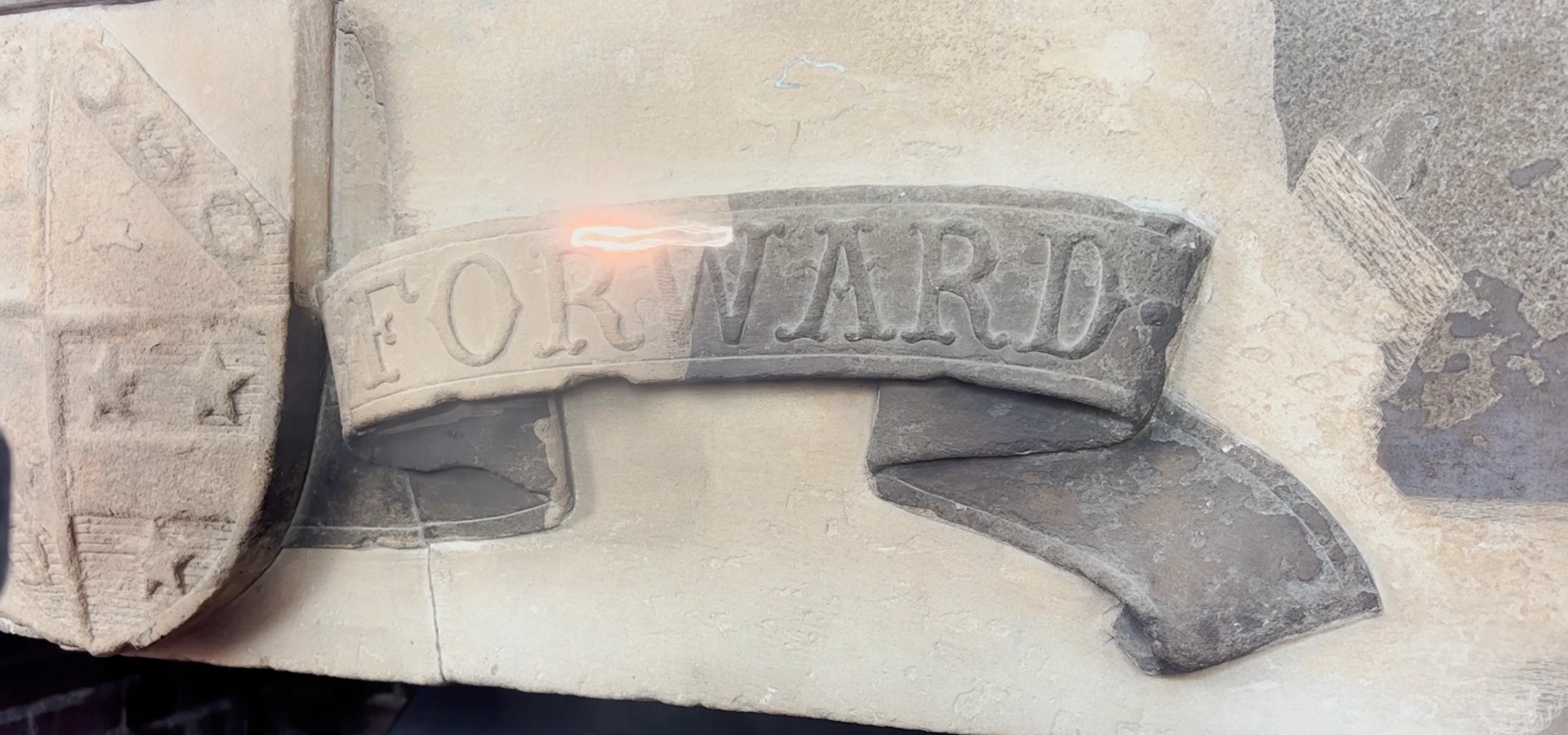
Laser cleaning is widely used on stone and brick, and it is often specified on listed work because it removes carbon crust, soiling, paint and graffiti without the abrasion that wears away carved detail.
The honest qualification is colour. Stone can discolour, lighten or take on a slight colour shift, and how much depends on the stone, the laser and the settings. On anything visible or historic a test panel is essential, and on some stone the right answer is that laser is not the appropriate method. We would rather establish that on a test panel than on a facade.
Lime plaster and lime render
Lime is soft, friable and historically significant, and it comes up regularly on church and period work, particularly after a fire. Laser cleaning can lift soot and limewash from lime surfaces gently, but because the substrate is so delicate the work is slow and careful, and a test area is non-negotiable.
GRP, gel coat and plastics
Often the answer here is “with caution”, and sometimes “not the right tool”. Plastics and gel coat can absorb laser energy in a way that marks or melts them rather than clearing the contamination cleanly. Some surface soiling is viable. Many plastic and GRP jobs are not.
Chrome
Chrome comes up in restoration enquiries such as motorcycle tanks, fittings and architectural pieces. Laser can remove rust, lacquer and soiling sitting on top of sound chrome.
What it cannot do is restore chrome that has already pitted or lifted. That damage is in the plating itself rather than on top of it, so removing the contamination will reveal the pitting rather than repair it. Those pieces need replating, not cleaning.
Thin-wall and safety-critical components
For thin-wall parts and regulated work, such as thin-wall titanium in aerospace or energy, the question is less “will it mark the surface” and more “can we prove the material is unaffected”. The process can clean these components, but on anything wall-thickness-critical or safety-critical the work is validated and documented rather than simply done.
The bottom line
For most surfaces, most of the time, laser cleaning removes what you want gone and leaves what you want kept. Where it gets more nuanced is on soft, organic or historic materials, and on anything where the finish itself is the asset.
The variable that decides the outcome is rarely the material on its own. It is the laser, the settings and the judgement of whoever is holding it.
The way to know how your surface will respond is to see it. Book a demo with our team and we will test your material and show you the result before you commit to anything.