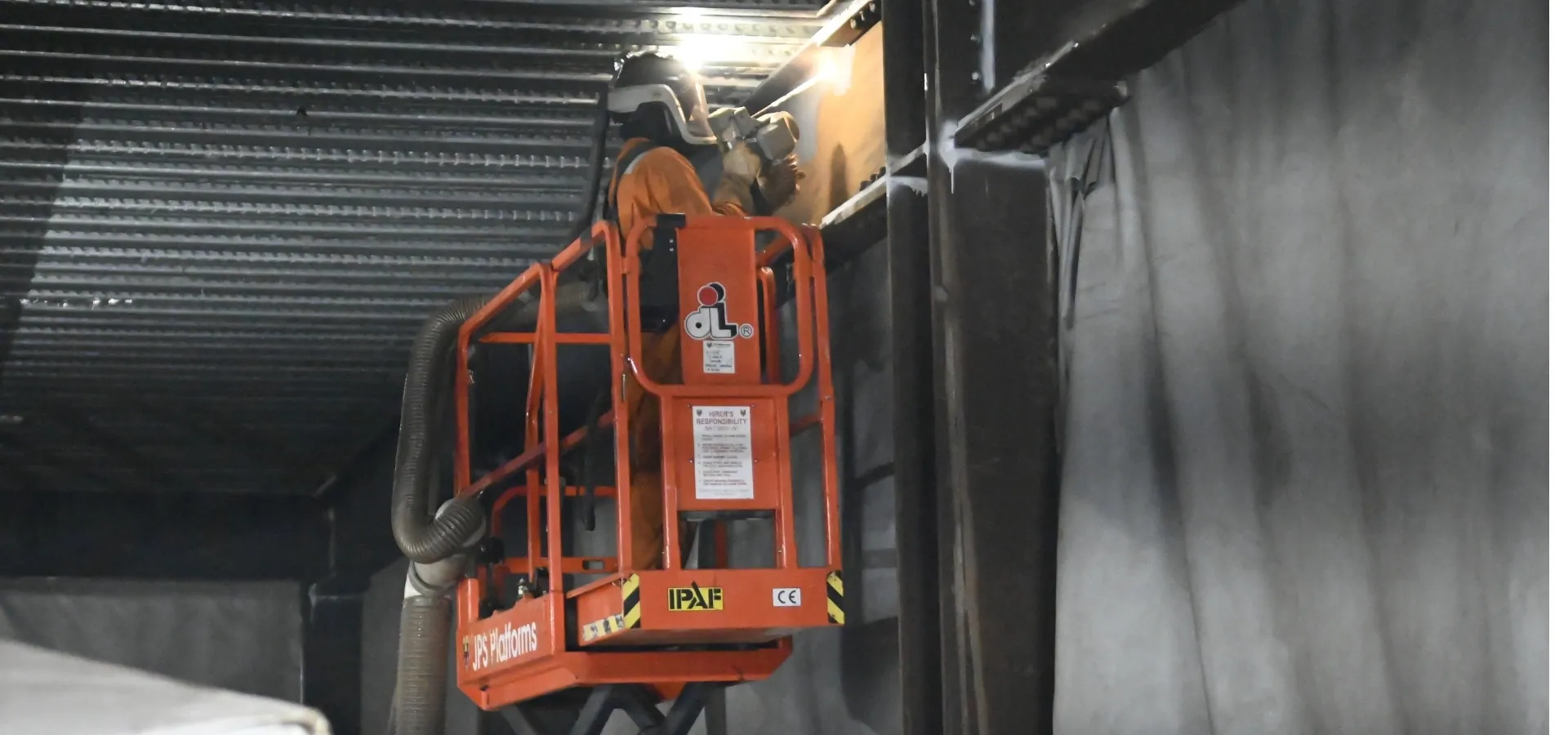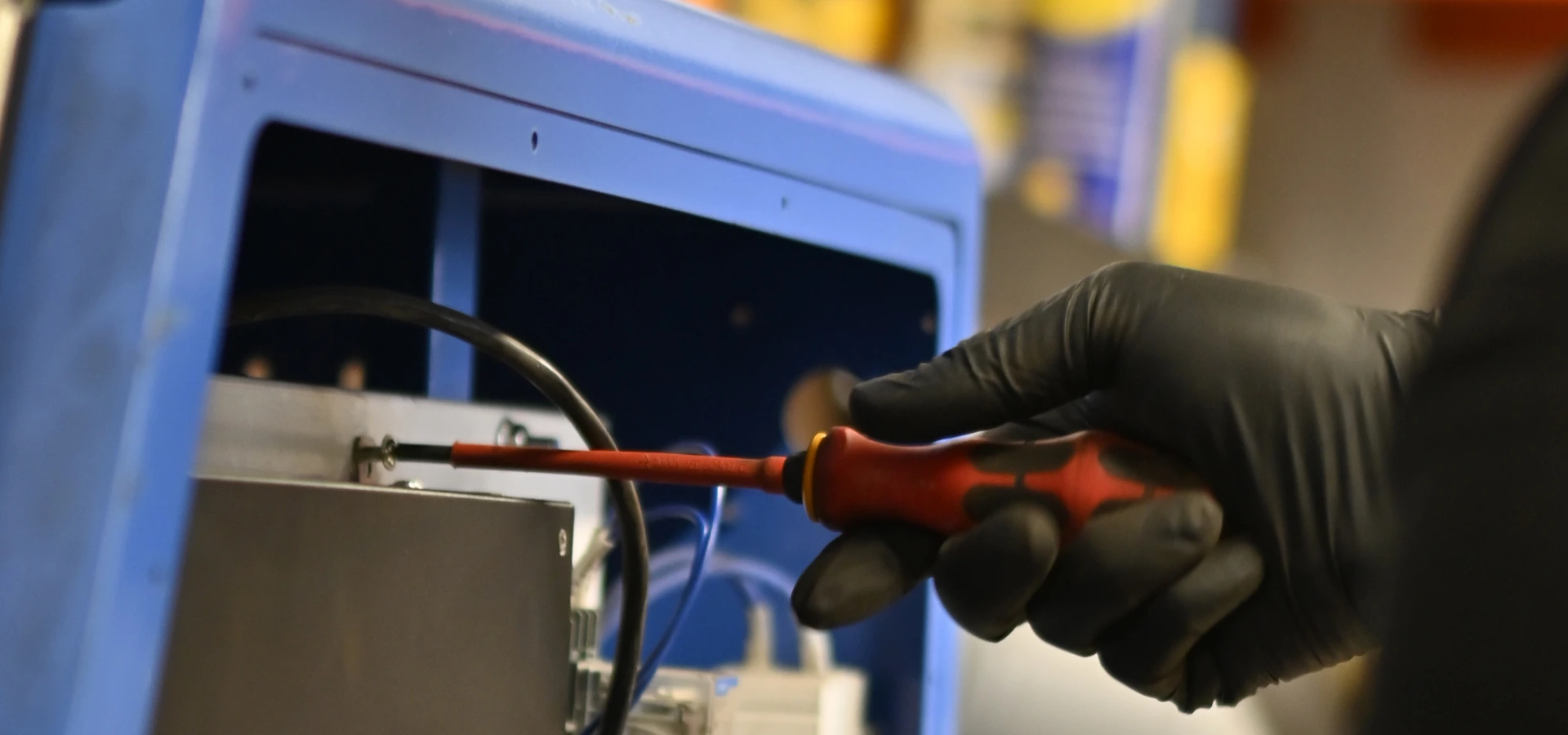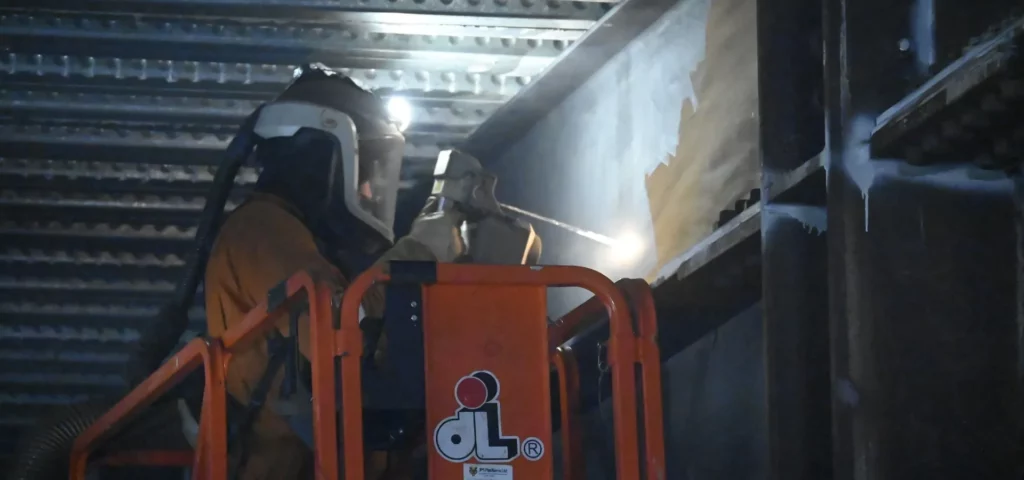
It’s the first question almost everyone asks about laser cleaning: if a laser is powerful enough to strip rust, paint and coatings off steel, surely it’s powerful enough to damage the metal underneath?
It’s a fair question and an important one. The short answer is that laser cleaning, done correctly, removes contamination without damaging the base material. But the phrase “done correctly” is doing a lot of work in that sentence, and it’s worth understanding why.
This guide explains how laser cleaning can be selective enough to clean without harming the substrate, what determines whether the metal stays safe and where things can go wrong in the wrong hands.
How laser cleaning can be selective
The key to understanding why laser cleaning doesn’t damage metal is a principle called the ablation threshold.
Different materials absorb laser energy differently, and each material has a threshold of energy at which it starts to break down and vaporise. Rust, paint, oil and coatings have a much lower ablation threshold than clean metal. In practical terms:
- Contaminants absorb the laser energy readily and vaporise at relatively low energy levels.
- The clean metal underneath has a higher threshold and reflects much of the laser energy rather than absorbing it.
When the laser is calibrated correctly, it sits in the window where it delivers enough energy to remove the contamination but not enough to affect the base metal. The rust comes off. The steel stays intact.
This is fundamentally different from abrasive methods like grit blasting, which physically wear away whatever they hit, contamination and substrate alike, relying on the operator to stop at the right moment.
Why the base metal stays protected
A few characteristics of the process keep the substrate safe when laser cleaning is set up properly:
- Selective absorption. As above, clean metal reflects much of the laser energy rather than absorbing it, so once the contamination is gone, there’s little left for the laser to act on.
- Minimal heat transfer. Modern pulsed fibre lasers deliver energy in extremely short bursts. The contamination is vaporised so quickly that very little heat is conducted into the surrounding metal. The substrate doesn’t get hot enough to warp, stress or change its structure.
- No mechanical impact. There’s no abrasive media striking the surface, so there’s no physical erosion, gouging or surface profile change beyond what’s intended.
- Precision and control. The beam can be tuned and directed precisely, so cleaning can be localised to exactly the area that needs it.
The result is a clean surface that retains its original dimensions, structural integrity and profile, ready for inspection, coating or bonding.
What determines whether metal stays safe
This is where “done correctly” matters. Laser cleaning is safe for the substrate when the following are right:
- The laser parameters match the job. Power, pulse frequency and speed all need to be calibrated for the specific material and contamination. The settings that safely clean rust off structural steel are not the settings you’d use on thin aluminium or a delicate historic artefact.
- The right laser is used for the material. Different substrates and contaminants call for different laser configurations. Using an underpowered or wrongly configured laser leads to either ineffective cleaning or, if the operator compensates by going too slow or too hot, potential damage.
- The operator is trained and experienced. The technology has a safe operating window, but it relies on the person operating it knowing where that window is for the job in front of them. Experience matters enormously here.
- The material is suitable. Most metals respond very well to laser cleaning. Some thin or highly heat-sensitive materials need extra care, and a competent supplier will assess this before starting rather than assuming.
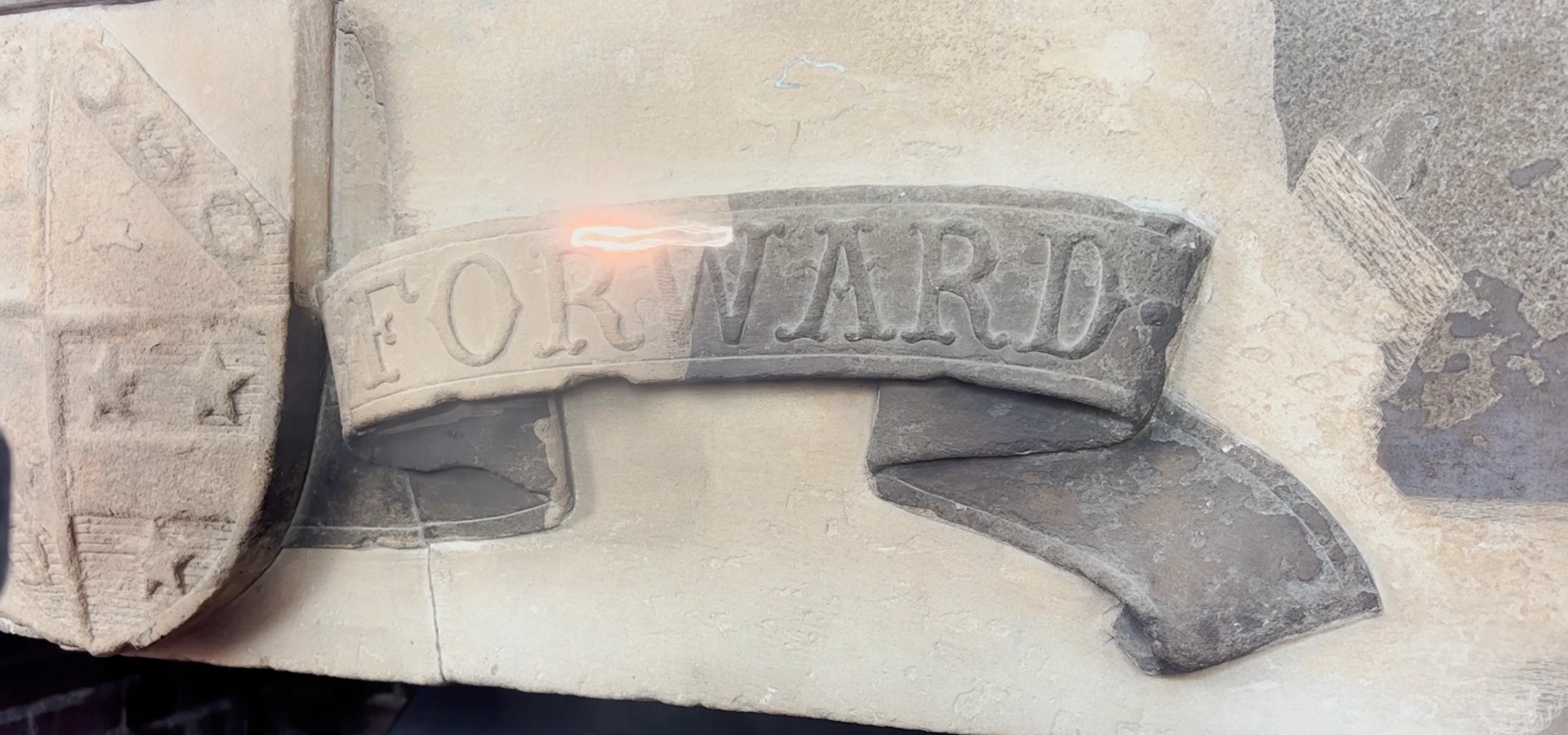
When these conditions are met, laser cleaning is one of the gentlest effective cleaning methods available, which is exactly why it’s used on everything from structural steel to priceless museum artefacts.
Where it can go wrong
Being honest about the limits is important, because it’s the difference between a supplier who understands the technology and one who doesn’t.
Laser cleaning can damage metal if it’s done badly. The most common ways:
- Wrong parameters. Too much power, too slow a pass or the wrong pulse settings can deliver excess energy to the substrate, potentially causing localised heating, discolouration or surface changes.
- Wrong laser for the material. Using equipment that isn’t suited to the substrate forces compromises that can affect the metal.
- Inexperienced operators. Someone who doesn’t understand the ablation threshold for the material they’re working on can push the process outside its safe window.
- Treating all materials the same. A one-size-fits-all approach ignores that different metals behave very differently under a laser.
None of these are faults of the technology. They’re faults of application. In the right hands, with the right equipment and proper calibration, laser cleaning is safe for the substrate. In the wrong hands, like any powerful tool, it can cause problems.
This is why the supplier matters as much as the method. Ask any prospective laser cleaning contractor how they calibrate for your specific material, what testing they do before starting and what experience they have with your substrate. A good one will have clear answers.
The bottom line
Laser cleaning does not damage metal when it’s done correctly. The science of selective absorption means the process can remove rust, paint and coatings while leaving the base material structurally and dimensionally intact. That’s why it’s trusted on applications ranging from heavy structural steel to delicate heritage restoration.
The caveat is that “done correctly” depends on the right equipment, the right parameters and an experienced operator who understands the material. The technology is safe. The application is where expertise earns its place.
If you’d like to understand whether laser cleaning is suitable for your specific material or project, book a demo with our team and we’ll talk through your substrate, your contamination and the right approach.